

ESD Test
ESD test refers to the Electrostatic Discharge test, a core part of electromagnetic compatibility (EMC) testing. It is used to evaluate the immunity and operational stability of electronic and electrical equipment when subjected to electrostatic discharge interference, so as to ensure that products will not fail due to electrostatic breakdown or interference in actual application environments.
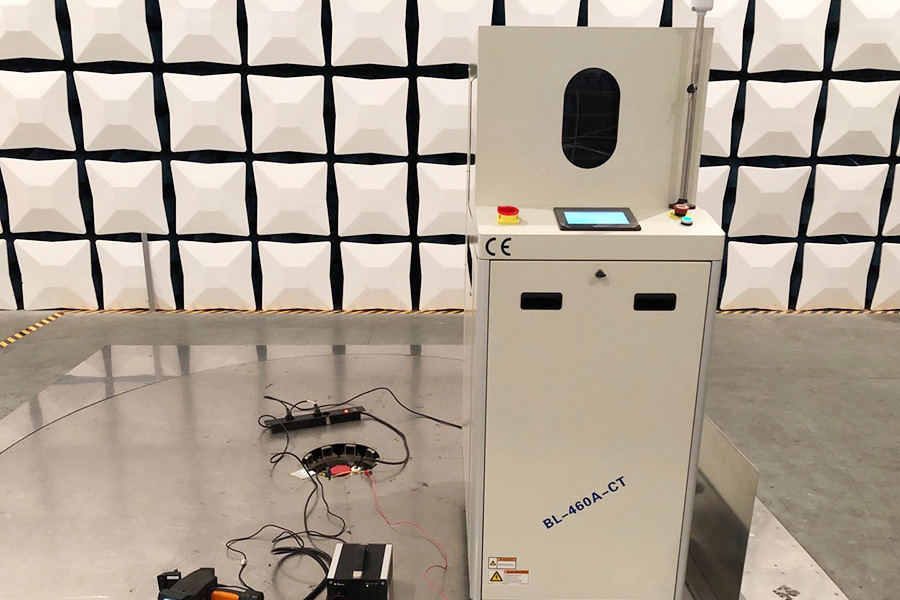
ESD test is a conducted electromagnetic compatibility test that does not require the open-area simulation environment of a 3-meter or 10-meter anechoic chamber. It can usually be performed in an ordinary shielded test room or laboratory. Anechoic chambers are mainly used for radiated EMC tests such as radiated emission and radiated immunity.
Related Cases
-
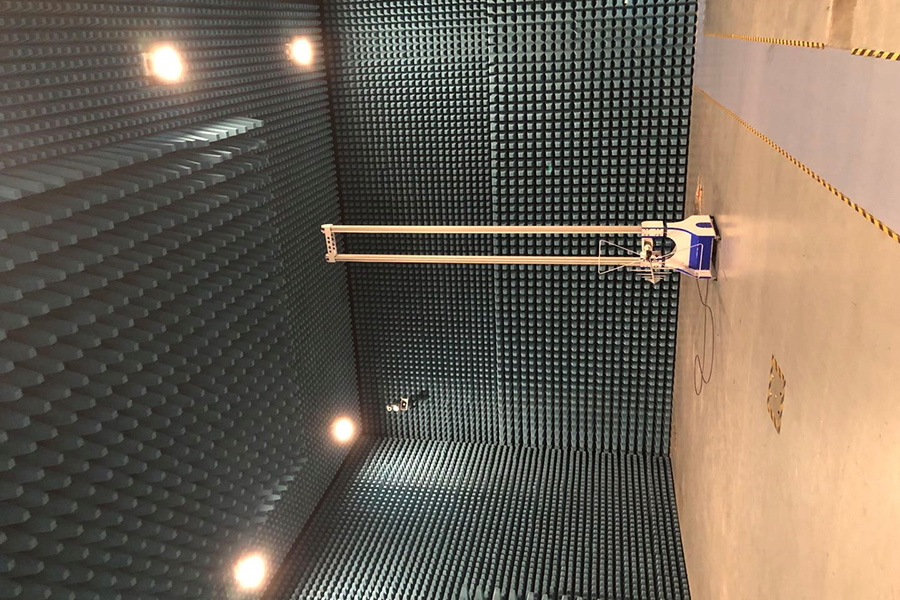
10-meter anechoic chamber site
The 10-meter anechoic chamber is an EMC test laboratory designed for a 10-meter test distance. It is mainly used for electromagnetic compatibility testing of large-scale electronic systems and electronic products that need to meet specific industry standards.Below is the detailed...View Details + -
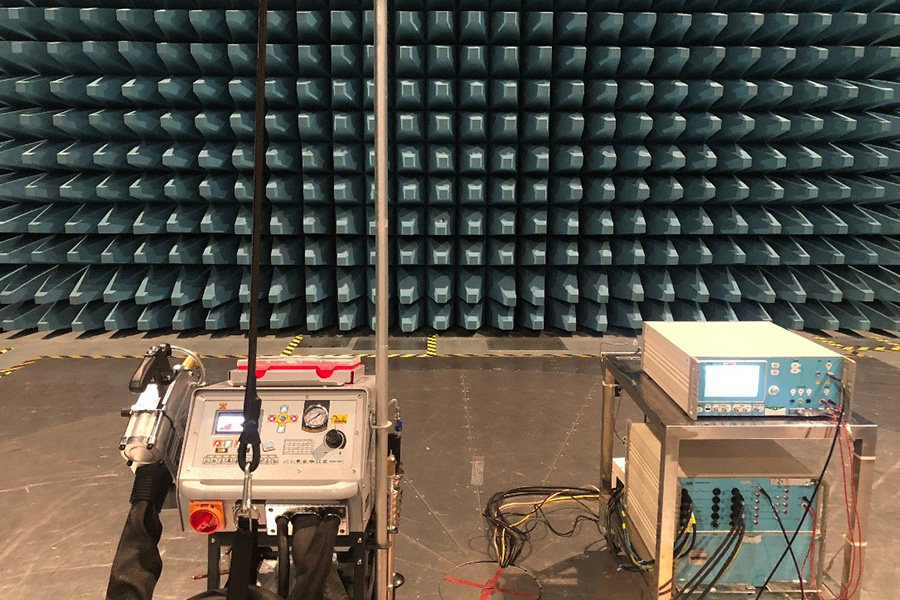
Resistance Welding - Electrical Fast Transient Burst and Surge Test
The Electrical Fast Transient/Burst (EFT/B) test and Surge (Impulse) test for resistance welding equipment are core items of the electromagnetic compatibility (EMC) immunity test for industrial-grade welding equipment.They mainly simulate two typical transient disturbances in ind...View Details + -
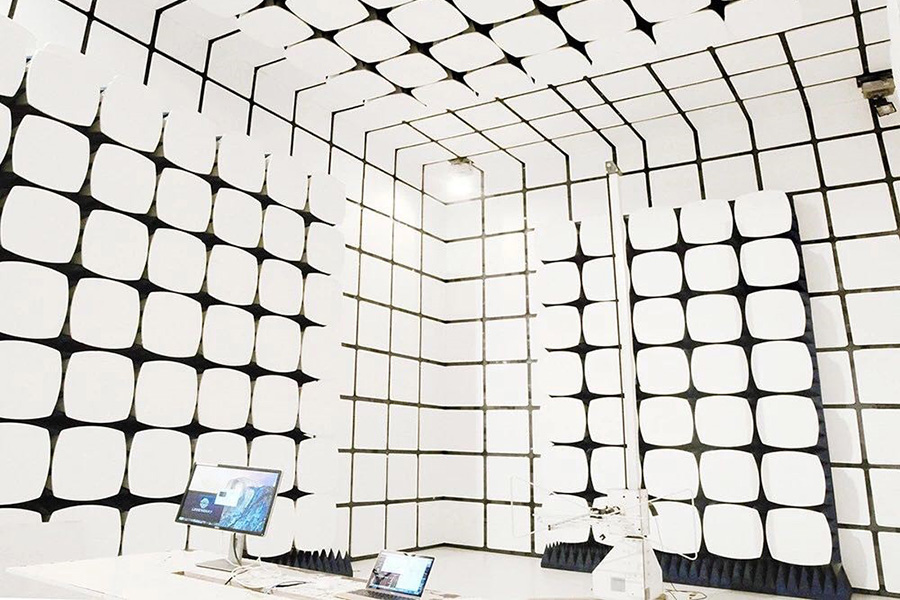
Radiation – 3-Meter Method Anechoic Chamber – Radiation Test for ITE Equipment
ITE stands for Information Technology Equipment, such as computers, servers, printers, routers, switches, etc. The 3-meter method radiated emission test in an anechoic chamber, fully known as Radiated Emission (RE) test, is a core item of electromagnetic compatibility (EMC) certi...View Details +

 Follow Us
 +86-755-82984733
 sales@ecmg-global.net